

What Happens After 20 Years of Dental Implants? A Complete 2026 Guide
When you invest in restoring your smile, you are making a commitment to your long-term health and confidence. Dental implants are widely considered the gold standard for permanent tooth replacement. But as patients look to the future, a very common and practical question arises: What happens after 20 years of dental implants? If you are considering this procedure in 2026, or if you already have implants and are wondering about their lifespan, this comprehensive guide will provide direct, medically-backed answers. We will explore the biological changes in your mouth over two decades, the mechanical wear and tear on the implant components, and how the Tooth implant cost factors into long-term maintenance.
What Exactly Happens to Dental Implants After 20 Years?
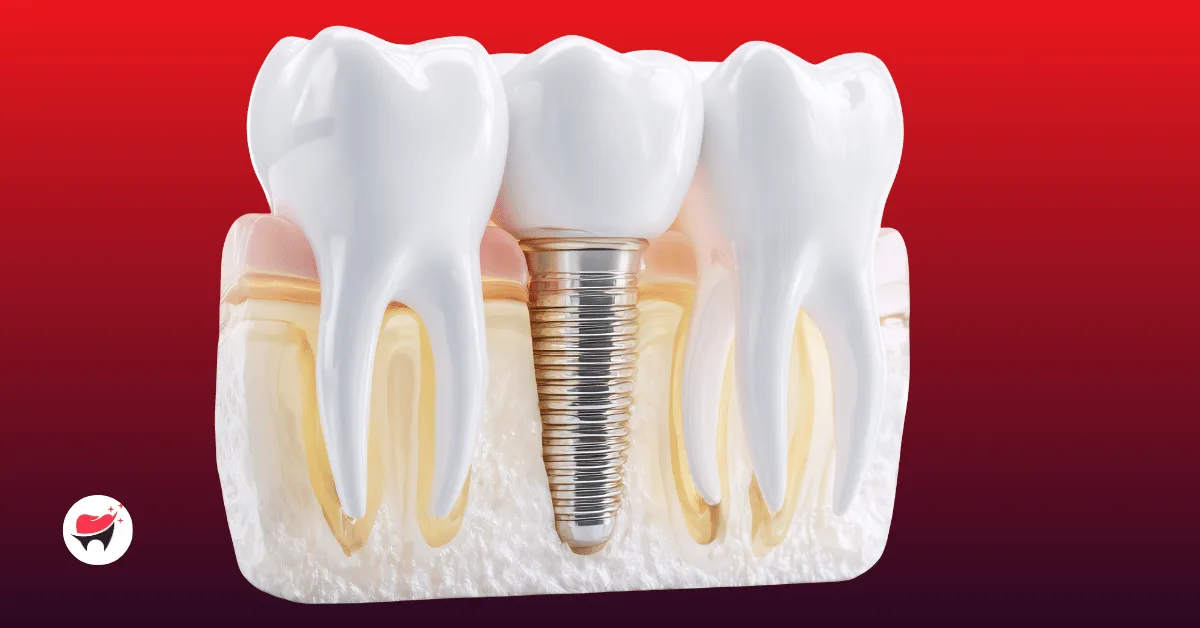
After 20 years, the titanium implant post fused to your jawbone typically remains fully intact and functional, acting as a permanent artificial root. However, the visible prosthetic crown attached to the implant will likely show signs of mechanical wear and tear, and may require a cosmetic replacement or repair.
Because the titanium post undergoes a biological process called osseointegration (where living bone cells fuse to the metal), it becomes a permanent part of your anatomy. If you maintain excellent oral hygiene and visit your dentist regularly, the foundation of the implant does not “expire.”
Over a 20-year span, your mouth will undergo natural aging. You might experience minor gum recession or slight changes in your jawbone density due to age. However, the implant itself actively prevents the severe bone loss that usually accompanies missing natural teeth.
The 3 Components of an Implant: Which Parts Last 20+ Years?
To understand what happens after two decades, you must understand that a dental implant is not a single piece. It consists of three distinct components, each with its own lifespan.
1. The Titanium Post (The Root)
-
Lifespan: 25 years to a Lifetime.
-
What happens after 20 years: Assuming there is no infection (peri-implantitis), the post remains securely anchored in your jawbone. It is highly resistant to decay and does not need to be replaced.
2. The Abutment (The Connector)
-
Lifespan: 15 to 25+ years.
-
What happens after 20 years: The abutment connects the post to the crown. It is usually made of titanium or zirconia. Unless it sustains physical trauma from teeth grinding (bruxism) or a facial injury, it generally survives the 20-year mark without issue.
3. The Prosthetic Crown (The Visible Tooth)
-
Lifespan: 10 to 15 years (sometimes 20+ with exceptional care).
-
What happens after 20 years: Just like natural teeth, the ceramic, porcelain, or zirconia crown experiences daily bite friction. After two decades of chewing, the crown may chip, stain, or wear down. Replacing the crown is a simple, non-surgical procedure that simply involves unscrewing the old tooth and attaching a new one.
Do Dental Implants Need to be Replaced After 20 Years?
No, the surgical dental implant itself rarely needs to be replaced after 20 years. The only time an implant post requires removal and replacement is if it fails due to severe gum infection (peri-implantitis), traumatic facial injury, or severe medical conditions that compromise bone density.
However, you should anticipate needing to replace the crown (the visible artificial tooth) at least once during a 20-year period. This is considered routine maintenance rather than an implant failure.
Factors That Determine Implant Survival Over 20 Years
Why do some implants last 40 years while a small percentage fail within a decade? The longevity of your dental implant is heavily influenced by four critical factors:
-
Oral Hygiene: Plaque buildup around an implant can cause peri-implantitis, a destructive inflammatory condition that eats away the bone supporting the implant. Daily brushing, flossing, and professional cleanings are non-negotiable.
-
Medical Conditions: Conditions like uncontrolled diabetes or osteoporosis can impair bone healing and density over a 20-year span, potentially weakening the implant’s support.
-
Lifestyle Habits: Smoking heavily restricts blood flow to the gums, increasing the risk of implant failure by up to 20%. Teeth grinding (bruxism) puts immense mechanical stress on the crown and abutment.
-
Brand and Material Quality: Premium, clinically researched implants (like Straumann) have significantly higher 20-year survival rates than generic budget implants.
Why Premium Brands Like Straumann Outlast Generic Implants
Premium brands like Straumann have higher 20-year success rates because they invest decades into material science, ensuring superior biocompatibility and mechanical strength. Choosing the right implant brand is the foundation of long-term success.
According to historical data on Straumann, the company has been a pioneer in implantology. Their implants utilize proprietary technologies like the SLActive® surface, which significantly accelerates bone integration, and Roxolid® (a titanium-zirconium alloy) that provides unmatched strength even in narrow jawbones. You can explore the intricate design of these systems on the official Straumann dental professionals page.
To visualize how these advanced surfaces integrate with human biology over time, you can watch this educational overview: Straumann Integration Video.
For patients in India looking for authentic, certified providers, finding a clinic that utilizes these premium materials is crucial. You can verify elite providers by searching for Straumann® Implant at Dent Ally or reviewing dedicated resources on Straumann implants in India.
Understanding the Costs: Single Tooth vs. Full Mouth in 2026
When planning for an implant that will last 20+ years, understanding the initial financial investment is crucial. India, specifically the National Capital Region, has become a global hub for world-class implantology due to its highly competitive pricing and elite surgical standards.
The Dental implant cost in Delhi offers massive savings compared to Western countries, without any compromise on the quality of materials or surgical expertise. ### 1. Single Tooth Implant Cost If you are missing just one tooth, the Price single tooth implant cost will depend on the brand chosen, the need for bone grafting, and the material of the final crown. The Single tooth implant cost India typically ranges from ₹30,000 to ₹85,000 for premium global brands. Over a 20-year period, this initial investment is incredibly cost-effective compared to replacing a traditional dental bridge every 7-10 years.
2. Full Mouth Rehabilitation Cost
For patients missing all of their teeth, the Full mouth dental implants cost in Delhi represents a life-changing investment. Procedures like the All-on-4 or All-on-6 use 4 to 6 implants to support an entire arch of teeth.
Here is a 2026 cost comparison table for standard implant procedures at elite clinics:
| Procedure Type | Estimated Cost Range (INR) | What it Includes |
|---|---|---|
| Single Tooth Implant | ₹30,000 – ₹85,000 | Titanium post, abutment, and ceramic/zirconia crown. |
| Full Arch (One Jaw – All-on-4/6) | ₹2,50,000 – ₹5,00,000 | 4-6 implants, surgical guides, and fixed hybrid/zirconia bridge. |
| Full Mouth (Both Jaws) | ₹5,00,000 – ₹10,00,000 | Complete surgical rehabilitation and full sets of fixed teeth. |
For a comprehensive, highly detailed breakdown of surgical fees, material choices, and hidden costs to avoid, consult this complete guide on the Dental implant cost in Delhi.
Maintenance: How to Ensure Your Implants Last 20 Years
To ensure your dental implants last 20 years or more, you must treat them exactly like natural teeth, prioritizing daily plaque removal and biannual professional checkups. While the titanium post cannot get cavities, the gum tissue surrounding it is highly vulnerable to bacterial infection. Follow this proven maintenance checklist:
-
Brush Twice Daily: Use a soft-bristled toothbrush and non-abrasive toothpaste. Aggressive brushing can scratch the ceramic crown and cause the gums to recede.
-
Floss Daily: Use implant-specific floss or a water flosser to remove plaque from the hard-to-reach areas around the abutment.
-
Wear a Nightguard: If you wake up with jaw pain, you likely grind your teeth at night. A custom nightguard will protect the ceramic crown from cracking under pressure.
-
Visit the Dentist Every 6 Months: Professional scaling and 3D X-rays allow your dentist to monitor bone levels and catch any potential issues years before they threaten the implant.
Conclusion: A Lifelong Smile
So, what happens after 20 years of dental implants? The most common scenario is that you continue to eat, speak, and smile with absolute confidence.
While the visible crown may eventually require a cosmetic update, the structural titanium root designed by premium brands like Straumann is built to endure the test of time. By partnering with elite specialists, making a smart initial investment in the Tooth implant cost, and committing to excellent oral hygiene, your dental implants can seamlessly serve you for two decades and far beyond.

Recent Posts


What Problems Can Occur After Dental Implant Surgery?
All Categories
- Anesthesia
- Cosmetic Dentistry
- Endodontics
- Health, Wellness and Ergonomics
- Hygiene
- Imaging, CBCT, and Radiography
- Implant Dentistry
- Laser Dentistry
- Marketing
- Oral Pathology, Pharmacology, and Cariology
- Oral Surgery
- Orthodontics
- Paradental and Infection Control
- Prosthodontics
- Public Health
- Research
- Restorative Dentistry
- TMJ and Occlusion