

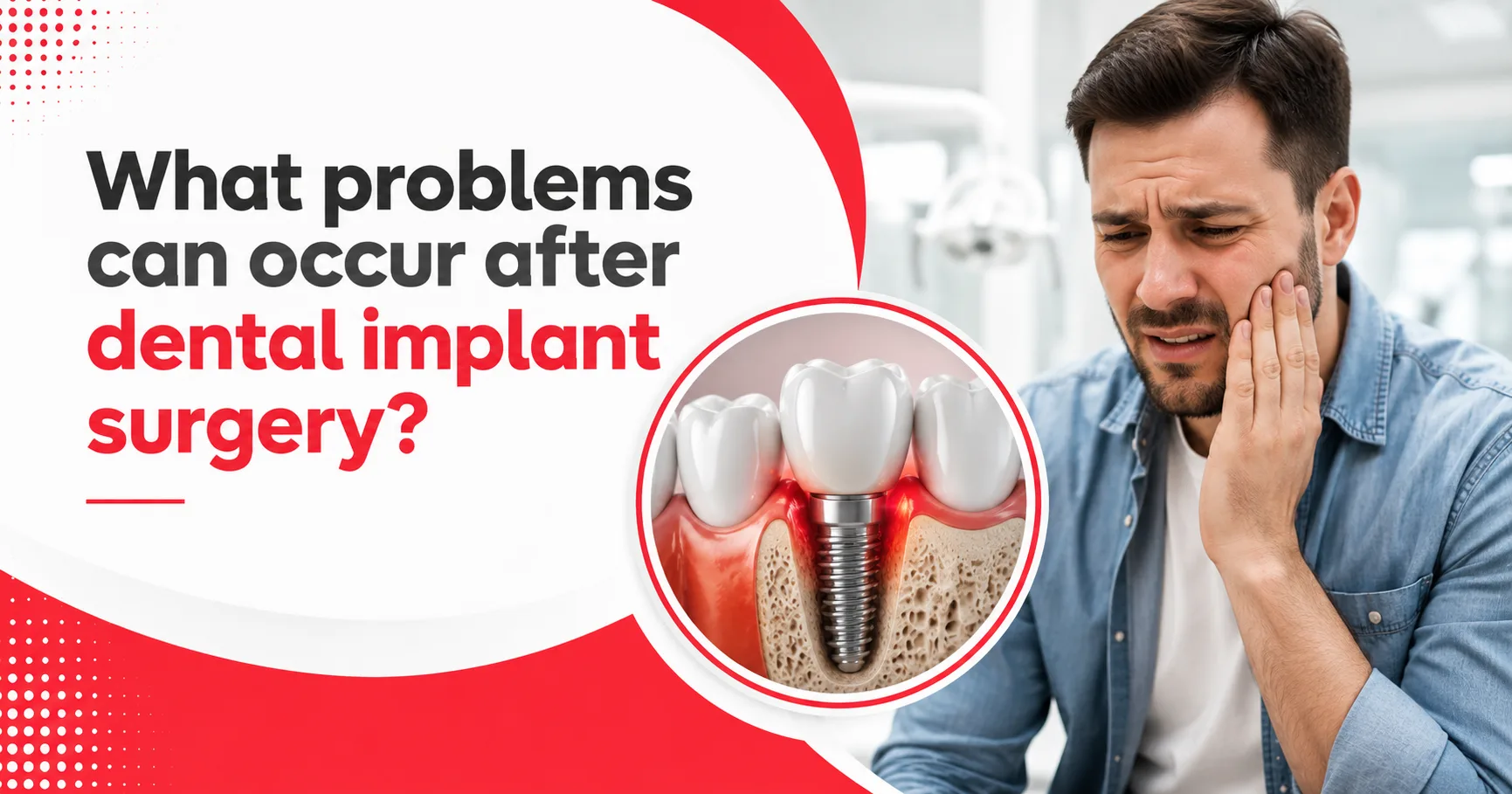
What Problems Can Occur After Dental Implant Surgery?
The most common problems that occur after dental implant surgery include localized infection, nerve damage, sinus penetration, and mechanical implant failure. While the procedure boasts a success rate of over 95%, biological complications like peri-implantitis or structural overload can occasionally jeopardize the healing process. Understanding these risks early allows you to recognize warning signs and seek timely intervention from your dental specialist.
Short-Term Complications After Implant Placement
Short-term problems after dental implant surgery typically include minor bleeding, localized swelling, bruising, and manageable discomfort around the surgical site. According to the FDA’s Dental Implants Guidelines, these are normal physiological responses to oral surgery that usually resolve within three to seven days. However, if these symptoms intensify after the first few days, it may indicate an early-stage infection or improper healing.
Common Early Side Effects
-
Swelling and Bruising: Normal inflammation of the gums and facial tissues adjacent to the implant area.
-
Minor Bleeding: Oozing from the incision site during the first 24 to 48 hours post-surgery.
-
Incision Discomfort: Standard post-operative pain that can be safely managed with prescribed or over-the-counter analgesics.
Long-Term Risks and Dental Implant Failure
Long-term dental implant problems generally present as peri-implantitis, nerve damage, or sinus complications that develop months or even years after the initial procedure. Clinical documentation from the Mayo Clinic’s Dental Implant Surgery Overview notes that long-term failure is frequently driven by bacterial accumulation around the implant crown or inadequate jawbone integration. Left untreated, these chronic issues can lead to bone loss and eventual loss of the implant.
Serious Long-Term Complications Breakdown
| Complication Type | Primary Symptoms | Common Root Cause |
|---|---|---|
| Peri-implantitis | Bleeding gums, pus formation, progressive bone loss around the post. | Poor oral hygiene, bacterial plaque buildup, smoking. |
| Nerve Damage | Chronic numbness, tingling, or pain in the lower lip, chin, or tongue. | Implant post placed too close to the inferior alveolar nerve. |
| Sinus Problems | Persistent sinus pressure, congestion, or localized upper jaw pain. | Upper jaw implants protruding into the maxillary sinus cavity. |
As highlighted in the Cleveland Clinic’s Guide on Dental Implants, maintaining meticulous oral hygiene and attending routine checkups are vital to preventing these chronic conditions from compromising your oral health.
How to Prevent Post-Surgical Dental Implant Problems
The most effective way to prevent problems after dental implant surgery is to choose an experienced, highly qualified implantologist and strictly follow all post-operative care instructions. A seasoned dental professional will utilize advanced 3D imaging to accurately evaluate your bone density, preventing nerve misalignment or sinus damage. Furthermore, getting treated at advanced clinics reduces the risk of surgical complications due to superior sterilization protocols and advanced surgical placement techniques.
For individuals requiring extensive work, choosing specialized centers such as the Top 15 Dental Implant Clinics in Delhi NCR on DentalTown ensures access to advanced diagnostic technologies. Advanced clinics like Dent Ally leverage customized surgical guides to eliminate placement errors, ensuring that even complex procedures like Full Mouth Dental Implants in India remain highly predictable.
If you are considering international care to optimize your treatment budget, researching specialized Dental Tourism in India packages can connect you with top-tier clinical care. Taking time to review transparent pricing metrics, such as the Cost of Dental Implants in Delhi India, helps you select premium clinics that refuse to compromise on material quality or clinical safety.
Frequently Asked Questions (FAQ)
What are the signs that a dental implant is failing?
The primary signs of a failing dental implant include severe pain or discomfort around the site, visible mobility or shifting of the implant post, swollen or bleeding gums, and significant difficulty chewing. If you experience any movement in the implant, you must contact your dentist immediately.
Can a dental implant cause nerve damage?
Yes, nerve damage can occur if the implant post is placed too close to or directly damages the nerves in the lower jaw. This typically results from inadequate pre-surgical planning and manifests as persistent numbness, tingling, or sharp pain in your tongue, lips, or chin.
What is peri-implantitis and how is it treated?
Peri-implantitis is an infectious disease that causes inflammation in the gums and bone structure surrounding a functional dental implant. Treatment ranges from deep antimicrobial cleanings and laser therapy to surgical bone grafting, depending on the severity of the bone loss.

Recent Posts



What Problems Can Occur After Dental Implant Surgery?
All Categories
- Anesthesia
- Cosmetic Dentistry
- Endodontics
- Health, Wellness and Ergonomics
- Hygiene
- Imaging, CBCT, and Radiography
- Implant Dentistry
- Laser Dentistry
- Marketing
- Oral Pathology, Pharmacology, and Cariology
- Oral Surgery
- Orthodontics
- Paradental and Infection Control
- Prosthodontics
- Public Health
- Research
- Restorative Dentistry
- TMJ and Occlusion