

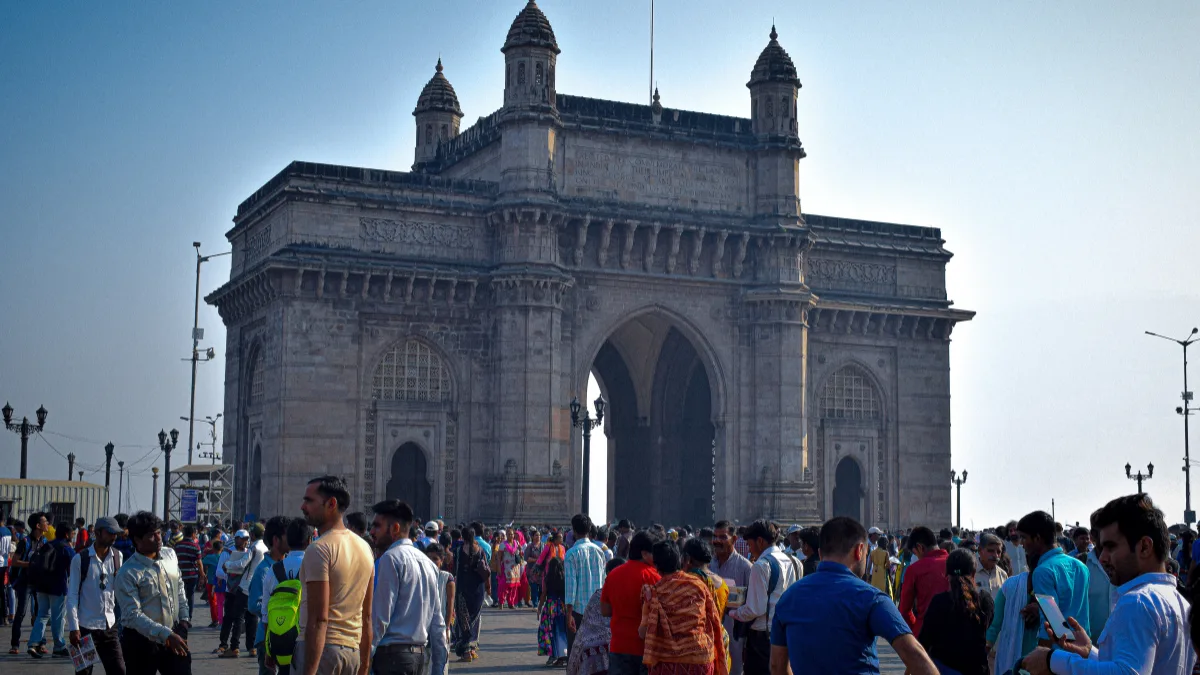
Is It Safe to Travel to India for Dental Work? A Comprehensive Guide to Dental Tourism
You are sitting in your local dentist’s office, the paper bib still around your neck, staring at a treatment plan that costs as much as a new car. Whether it is full mouth rehabilitation, dental implants, or a complete smile makeover, the cost of dental care in countries like the USA, UK, Australia, and Canada has skyrocketed, leaving many patients with a difficult choice: drain their savings or neglect their health.
This financial pressure has given rise to a booming global industry: Dental Tourism. And sitting at the very top of the list of preferred destinations is India.
But as you browse flights to New Delhi or Mumbai, a voice of caution likely whispers in your ear: Is it really safe? Will the quality be the same? What if something goes wrong?
These are valid questions. When it comes to your health, “cheap” should never mean “low quality.” The good news is that for thousands of international patients every year, India offers a sweet spot where world-class medical infrastructure meets economic advantage.
In this in-depth guide, we will peel back the layers of the Indian dental industry. We will explore the safety protocols, the qualifications of doctors, the cost comparisons, and the logistics of planning your trip, helping you decide if a dental vacation is the right choice for your smile.
The Economic Argument: Why Is It So Much Cheaper?
The first thing that raises suspicion is the price tag. Dental procedures in India can be 60% to 80% cheaper than in the West. A skepticism naturally arises: Are they cutting corners?
The answer lies in Purchasing Power Parity (PPP), not in a lack of quality.
-
Lower Operational Costs: Real estate, labor, and administrative costs in India are a fraction of what they are in London or New York. A top-tier clinic in Delhi pays its staff and rents its space for significantly less, and those savings are passed on to you.
-
Currency Exchange: The strength of the Dollar, Pound, or Euro against the Indian Rupee gives international patients massive leverage.
-
Domestic Manufacturing: India is a global hub for pharmaceutical and medical device manufacturing. Many medications and dental materials are produced domestically, avoiding high import taxes.
It is important to understand that the Dental Implants used in reputable Indian clinics are often the exact same global brands (Nobel Biocare, Straumann, Osstem) used by your dentist back home. You are paying less for the service, not a cheaper product.
The Safety Question: Sterilization and Hygiene
This is the primary concern for any medical tourist. “Is it clean?”
India’s medical landscape is a mix of tiers. While there are small, local clinics that may not meet international standards, the Dental Tourism sector operates in a completely different league. Clinics that target international patients are essentially “medical hospitality” centers.
Accreditation Matters
To ensure safety, look for clinics that adhere to strict standards. The gold standard in India is the NABH (National Accreditation Board for Hospitals & Healthcare Providers). NABH accreditation is difficult to get. It requires a clinic to demonstrate rigorous adherence to sterilization protocols, waste management, and patient safety measures that rival or exceed Western standards.
The Sterilization Protocol
Top-tier clinics in India utilize Class B Autoclaves (the highest standard for sterilization) and follow CDC and OSHA guidelines.
This strict process includes:
-
Disposable Consumables: Gloves, needles, and suction tips are single-use.
-
Pouching: Instruments are sterilized in sealed pouches and opened only in front of the patient.
-
Air Filtration: High-efficiency particulate air (HEPA) filters to keep surgical suites contaminant-free.
Verdict: If you choose an accredited, high-end clinic, the safety standards are identical to what you would find in a premium clinic in California or London.
The Expertise: Who Is Touching Your Teeth?
There is a misconception that doctors in developing nations are less educated. In reality, India exports more doctors to the US and UK than almost any other country.
Many leading implantologists and cosmetic dentists in India have:
-
Completed their post-graduate training in the USA, UK, or Germany.
-
Are members of global bodies like the American Academy of Cosmetic Dentistry (AACD) or the International Congress of Oral Implantologists (ICOI).
-
Handle a volume of cases that Western dentists rarely see.
The “High Volume” Advantage: Because of the sheer population and the influx of tourists, a specialist in India might place 500 implants in a year, whereas a general dentist in a quiet American suburb might place 50. In surgery, practice makes perfect. This high volume of experience often translates to higher success rates and the ability to handle complex “full mouth” cases with ease.
Technology: The Digital Revolution
You might be surprised to find that your dentist in India has better technology than your dentist at home.
Because the dental tourism market is competitive, clinics invest heavily in the latest tech to attract foreigners. It is standard to find:
-
CBCT (Cone Beam Computed Tomography): 3D X-rays for precise implant planning.
-
Intraoral Scanners: No more gooey impressions; digital 3D scans are emailed directly to the lab.
-
CAD/CAM Labs: Many clinics have in-house labs that mill crowns and veneers in hours, not weeks.
-
Dental Lasers: For painless gum surgeries and teeth whitening.
Common Procedures for Dental Tourists
Travelers rarely fly to India for a simple cleaning. The trip is usually justified by high-value, restorative procedures.
1. Dental Implants
Replacing missing teeth is the #1 driver of dental tourism.
-
-
The Procedure: A titanium post is surgically placed in the jawbone.
-
The Cost: A single implant in the US can cost $3,000 – $5,000. In India, using the same brand, it often costs $400 – $800.
-
The Timeline: Techniques like “Immediate Loading” (Basal Implants or All-on-4) allow patients to fly in and fly out with new teeth in under a week.
-
2. Smile Makeovers (Veneers)
For those seeking the “Hollywood Smile,” Porcelain Veneers are a popular choice.
-
The Benefit: Indian labs create highly aesthetic, hand-layered ceramic veneers.
-
The Savings: A full set of veneers in the UK could cost £10,000+. In India, it can be done for £2,500 – £3,500, often including the cost of the holiday.
3. Full Mouth Rehabilitation
This involves restoring every tooth in the mouth using a combination of crowns, bridges, and implants. It is complex, expensive, and time-consuming in the West, making it the perfect candidate for outsourcing to an expert team in India.
Logistics: Getting There and Staying There
India has made it incredibly easy for patients to visit.
-
Medical Visa: The Government of India offers an e-Medical Visa. It is a streamlined, online process specifically for patients. You can even bring a “Medical Attendant” (spouse or friend) on a similar visa.
-
Connectivity: Major hubs like New Delhi (DEL) and Mumbai (BOM) have direct flights from almost every major global capital.
-
Language: English is the primary language of medical education and business in India. You will face zero language barriers with your doctors or clinic staff.
The Risks: What You Must Know
No surgery is risk-free, whether in New York or New Delhi. However, traveling adds layers of complexity.
-
Follow-Up Care: If a crown chips or an implant feels loose six months later, you cannot easily pop back into the clinic.
-
Mitigation: Choose a clinic that uses global brands. If you have a Straumann implant placed in India, a Straumann-certified dentist in the US can service it if needed.
-
-
Compressed Timelines: There is a temptation to rush treatment to fit a holiday schedule.
-
Mitigation: Listen to your doctor. If they say you need 10 days for healing, book 12 days. Do not pressure them to rush biological processes.
-
-
The “Too Cheap” Trap: Avoid clinics competing solely on price. If a clinic offers implants for $100, run away. Stick to the premium bracket; it is still vastly cheaper than home but ensures safety.
How to Choose the Right Clinic?
Do not just Google “Best dentist in India.” You need to vet them.
The Checklist:
-
Video Consultations: Do they offer a free Zoom/WhatsApp call before you fly? You should be able to talk to the actual doctor, not just a salesperson.
-
Transparency: Do they provide a detailed treatment plan with a breakdown of costs and specific brand names of materials used?
-
Testimonials: Look for video reviews from international patients. Written reviews can be faked; detailed video testimonials are harder to fabricate.
-
Team Approach: Does the clinic have in-house specialists (Implantologist, Endodontist, Orthodontist)? “One dentist does it all” is a red flag for complex cases.
Conclusion: A Calculated Decision
So, is it safe? Yes, absolutely—provided you choose the right partner.
Dental tourism in India is not about “cheap dentistry.” It is about Global Dentistry at Indian Prices. It is an opportunity to access high-end medical care, utilize state-of-the-art technology, and be treated by some of the most experienced hands in the world, all while saving enough money to perhaps enjoy a tour of the Taj Mahal or the beaches of Goa.
By doing your research, verifying accreditations, and focusing on quality over the absolute lowest price, you can restore your health and your smile with complete peace of mind.
Recommended Clinic for International Patients
If you are looking for a clinic that ticks every single safety box mentioned above—NABH accreditation, internationally trained specialists, Class B sterilization, and transparent pricing—we highly recommend Dent Ally.
With award-winning centers in South Delhi and Gurgaon, Dent Ally is a preferred destination for dental tourists from the USA, Europe, and Australia. They are known for their “holistic approach,” ensuring that your dental work is not just aesthetically pleasing but biologically sound.
-
Specialty: Complex Full Mouth Rehabilitations and Implants.
-
Safety: They adhere to strict international sterilization protocols.
-
Comfort: They have a dedicated international patient support team to help with logistics, accommodation, and airport transfers.
Don’t compromise on safety. Visit Dentally.in to book your video consultation today.

Recent Posts


What Problems Can Occur After Dental Implant Surgery?
All Categories
- Anesthesia
- Cosmetic Dentistry
- Endodontics
- Health, Wellness and Ergonomics
- Hygiene
- Imaging, CBCT, and Radiography
- Implant Dentistry
- Laser Dentistry
- Marketing
- Oral Pathology, Pharmacology, and Cariology
- Oral Surgery
- Orthodontics
- Paradental and Infection Control
- Prosthodontics
- Public Health
- Research
- Restorative Dentistry
- TMJ and Occlusion