

Can Tooth Enamel Erosion Be Reversed? A Dentist’s Guide to Remineralization and Restoration
It often starts subtly. A fleeting twinge of sensitivity when you drink something cold. A glance in the mirror where you notice your teeth seem slightly more yellow, or the edges look a bit translucent. These are the early, unnerving signs of enamel erosion, and they inevitably lead to a critical question: Can this damage be undone? Can my tooth enamel be reversed?
This question is one of the most important in all of dentistry because it touches upon our ability to heal and regenerate. The desire to turn back the clock on dental damage is a powerful one.
The answer is a crucial distinction between two different stages of enamel damage. While true, structural enamel erosion is irreversible, the initial stage of mineral loss that precedes it, known as demineralization, can absolutely be stopped and even reversed.
Understanding this difference is the key to protecting your smile for a lifetime. It’s the difference between simple, non-invasive preventive care and the need for complex restorative treatments. This guide will provide a definitive look at the science of your enamel, explore the powerful natural process of remineralization, and detail the advanced treatments available to manage and restore teeth when erosion has already taken its toll.
What is Tooth Enamel and Why is it So Precious?
Before we discuss reversing damage, we must first understand the material in question. Tooth enamel is the white, visible, outermost layer of your teeth. It is a remarkable substance—the hardest material in the entire human body, even harder than bone.
Its primary function is to act as a durable shield, protecting the sensitive inner parts of your tooth (the dentin and the pulp) from the daily onslaught of:
- Physical Forces: The immense pressure from biting and chewing.
- Thermal Shocks: The temperature changes from hot coffee or cold ice cream.
- Chemical Attacks: The acids produced by bacteria and found in many of the foods and drinks we consume.
However, enamel has one critical vulnerability: it is not living tissue. Unlike bone, it contains no living cells, which means it has no ability to regenerate or grow back once it is physically lost. This is why preserving the enamel you have is of paramount importance.
The Constant Battle in Your Mouth: Demineralization vs. Remineralization
Your mouth is a dynamic environment where a constant battle is being waged on the surface of your teeth at a microscopic level. This battle has two opposing forces:
1. Demineralization (The Attack): This is the process where acids attack your teeth. These acids come from two main sources:
- Dietary Acids: Found in acidic foods and drinks like citrus fruits, sodas (both regular and diet), wine, sports drinks, and fruit juices.
- Bacterial Acids: Bacteria in plaque on your teeth feed on sugars and starches, producing harmful acids as a byproduct.
These acids leach vital minerals—primarily calcium and phosphate—out of the crystalline structure of your enamel. This process, demineralization, weakens the enamel, making it softer and more susceptible to damage.
2. Remineralization (The Defense & Repair): Fortunately, your body has a brilliant natural defense system: saliva. Saliva is not just water; it is a complex fluid rich in the very same minerals (calcium and phosphate) that acids strip away. It performs two crucial jobs:
- It neutralizes and washes away acids after you eat or drink.
- It redeposits these essential minerals back onto and into the tooth surface, hardening and strengthening the enamel crystals that were weakened by acid.
This natural repair process is called remineralization. Under normal, healthy conditions, the processes of demineralization and remineralization are in a state of balance, and your enamel remains strong.
The Tipping Point: When Demineralization Becomes Irreversible Erosion
Enamel erosion occurs when the battle becomes one-sided. If the demineralization process—the acid attacks—is too frequent, too intense, or lasts for too long, it completely overwhelms your body’s ability to repair the damage through remineralization.
Think of your enamel like a brick wall. Demineralization is like acid rain dissolving the mortar between the bricks, weakening the wall. Remineralization is like a repair crew coming in to patch up the mortar. As long as the repairs keep up with the damage, the wall remains standing.
But if the acid rain is constant and severe, the repair crew can’t keep up. The mortar dissolves completely, and eventually, the bricks themselves begin to crumble and wash away.
This is true enamel erosion. It is no longer just a loss of minerals; it is the physical loss of the enamel structure itself. The enamel is physically gone, and your body cannot make more.
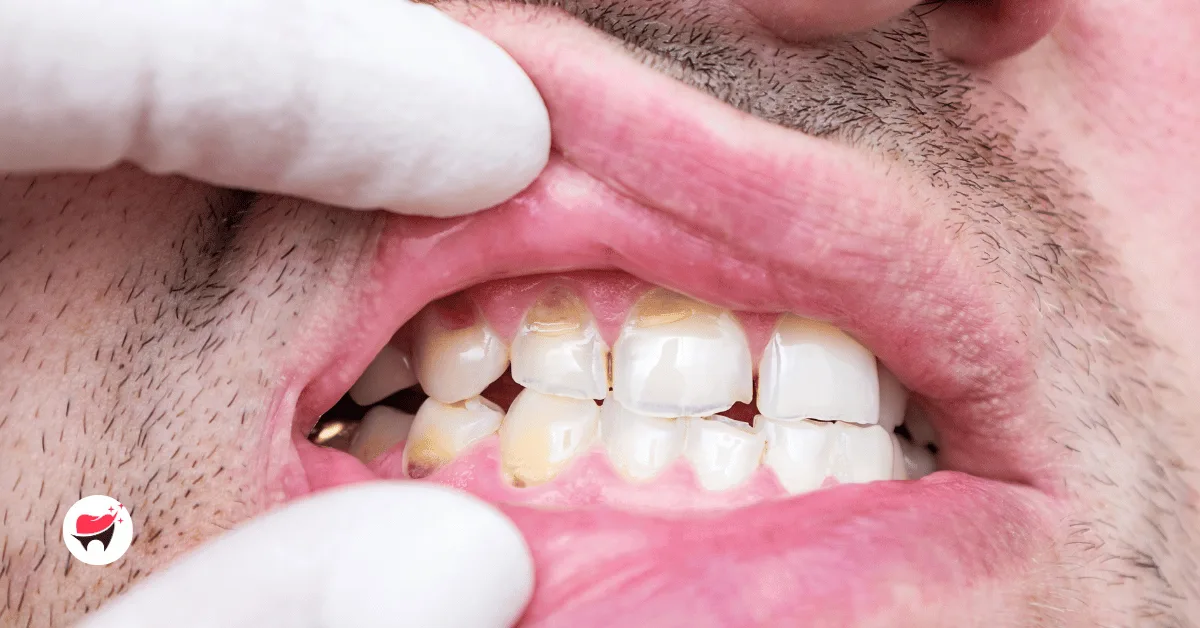
Signs of Irreversible Enamel Erosion:
- Severe Sensitivity: As the protective enamel thins, the underlying dentin layer becomes exposed. Dentin contains microscopic tubules that lead directly to the nerve of the tooth, causing sharp pain in response to hot, cold, sweet, or acidic stimuli.
- Yellowing Appearance: Dentin is naturally yellower than enamel. As enamel thins, the color of the underlying dentin shows through more, making the teeth appear discolored.
- Transparency: The biting edges of your front teeth may begin to look translucent or greyish.
- Cracks and Chips: The edges of the teeth become rough, irregular, and more susceptible to chipping.
- Cupping: Small dents or divots can appear on the chewing surfaces of your molars.
The “Reversal” Strategy: How to Promote Remineralization (For Early Stage Damage)
If you are in the early stages of demineralization, you have a powerful opportunity to step in and win the battle. By shifting the balance in favor of remineralization, you can effectively “reverse” this initial weakening. Here is your action plan:
1. Harness the Power of Fluoride: Fluoride is the single most effective agent we have for strengthening enamel. When fluoride is present in your mouth, it gets incorporated into the enamel structure during the remineralization process. This creates a new, stronger, and more acid-resistant crystal called fluorapatite. It’s like upgrading your wall’s mortar from a standard mix to a high-strength, acid-proof epoxy.
- Action: Brush twice daily with a fluoride toothpaste. Consider using a fluoride mouthwash as an additional step.
2. Drastically Reduce Acid Exposure: You must reduce the frequency and intensity of acid attacks.
- Identify the Culprits: Be mindful of your consumption of sodas, sports drinks, wine, citrus fruits/juices, and sugary snacks.
- Change Your Habits:
- Drink acidic beverages through a straw to minimize contact with your teeth.
- Don’t sip on acidic drinks over long periods; consume them with a meal.
- Immediately after consuming something acidic or sugary, rinse your mouth thoroughly with plain water to neutralize the acids.
- Wait to brush! Brushing immediately after an acid attack can scrub away the softened enamel. Wait at least 30-60 minutes for your saliva to do its job before brushing.
3. Boost Your Natural Defenses (Saliva): A healthy saliva flow is critical.
- Stay Hydrated: Drink plenty of water throughout the day.
- Chew Sugar-Free Gum: Chewing gum, especially brands containing xylitol, stimulates saliva flow significantly, helping to clear acids and remineralize teeth after a meal.
4. Eat a Mineral-Rich Diet: Support your body’s repair processes from the inside out. Consume foods rich in calcium and phosphorus, such as dairy products (milk, cheese, yogurt), leafy greens (spinach, kale), almonds, and lean proteins.
When Erosion is Irreversible: Professional Treatments to Restore and Protect
If you are already experiencing the symptoms of true enamel erosion, the focus shifts from reversal to restoration and protection. While we cannot bring back the lost enamel, modern dentistry offers excellent solutions to manage the symptoms and rebuild the tooth’s structure, protecting it from further damage.
- Professional Fluoride Varnish: Your dentist can apply a highly concentrated fluoride varnish directly to your teeth. This provides a powerful boost of fluoride to strengthen the remaining enamel and can significantly reduce sensitivity.
- Dental Bonding: For localized areas of erosion, a tooth-colored composite resin can be sculpted and bonded directly onto the tooth. This covers the sensitive, exposed dentin, restores the tooth’s shape, and protects it from further wear.
- Porcelain Veneers: For more widespread erosion on the front teeth, veneers are a fantastic solution. These are ultra-thin, custom-made shells of durable porcelain that are bonded to the front surface of the teeth. They completely cover up the cosmetic signs of erosion and create a brand-new, beautiful, and strong tooth surface.
- Dental Crowns: In cases of severe erosion where a significant amount of tooth structure is lost and the tooth is weakened, a full-coverage crown may be necessary. A crown covers the entire tooth like a protective helmet, restoring its strength, shape, and function.
Top Searched FAQs About Enamel Erosion
Can you really regrow tooth enamel?
No. Once the physical structure of the enamel is lost, the body cannot regrow or regenerate it. However, you can “re-harden” or remineralize weakened enamel in the very early stages of damage.
Does charcoal toothpaste help rebuild enamel?
No. In fact, it can be harmful. Most charcoal toothpastes are highly abrasive and can scrub away already weakened enamel. There is also no scientific evidence that charcoal provides any therapeutic benefit to your teeth. Stick to a soft-bristled brush and a fluoride toothpaste.
How can I tell if my enamel is eroding?
Key signs include new or worsening tooth sensitivity to temperatures or sweets, teeth appearing more yellow, the edges of your front teeth looking clear or translucent, and the surfaces of your teeth developing a rough or pitted texture.
Is enamel erosion painful?
It can be. The primary symptom is sensitivity, which is a form of pain triggered by stimuli. As more of the underlying dentin becomes exposed, this sensitivity can become more frequent and more intense.
How can I protect my child’s enamel?
Limit their consumption of sugary juices and snacks. Encourage them to drink water. Ensure they brush twice a day with a fluoride toothpaste (use a rice-sized amount for toddlers and a pea-sized amount for children over 3). Regular dental check-ups are also crucial.
Conclusion: A Strategy of Prevention and Proactive Restoration
The final answer to “Can enamel erosion be reversed?” is one of careful distinction. You cannot regrow what is structurally lost. But you have immense power to heal your teeth in the early stages of damage by promoting remineralization. Your daily habits are your first and best line of defense.
If the erosion has progressed, do not lose hope. The damage is irreversible, but the consequences are entirely manageable. Modern restorative dentistry provides us with the tools to eliminate sensitivity, rebuild tooth structure, and give you a smile that is both beautiful and strong.
The most important step you can take, no matter what stage you are in, is to seek professional guidance. A thorough dental examination is the only way to accurately assess the health of your enamel and create a personalized plan to protect it for the future.

Recent Posts


YouTube Video Ideas for Dentists & Dental Clinics in India: Part 1

All Categories
- Anesthesia
- Cosmetic Dentistry
- Endodontics
- Health, Wellness and Ergonomics
- Hygiene
- Imaging, CBCT, and Radiography
- Implant Dentistry
- Laser Dentistry
- Marketing
- Oral Pathology, Pharmacology, and Cariology
- Oral Surgery
- Orthodontics
- Paradental and Infection Control
- Prosthodontics
- Public Health
- Research
- Restorative Dentistry
- TMJ and Occlusion